Il Mostro di Frankenstein al cinema Modernissimo

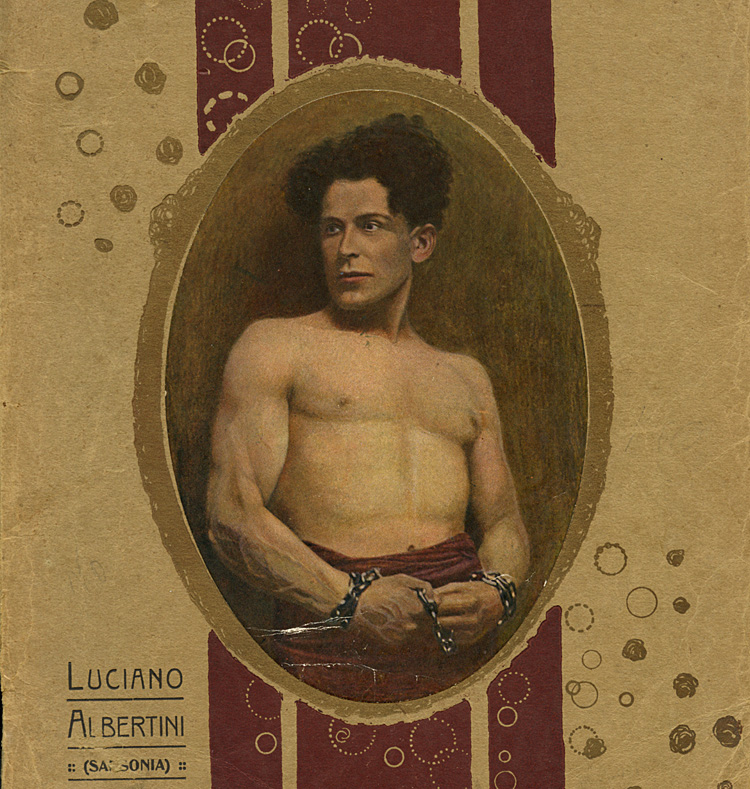
Luciano Albertini (Sansonia)

Per un caso stranissimo gli scrittori della Albertini Film sono riusciti a metter mano su un soggetto eccellente: e con ogni probabilità hanno dovuto offendersene perché se ne sono vendicati.

Lo spunto è quanto di più cinematografico ci sia: la fabbricazione artificiale dell’uomo. Seguendo la novella inglese i soggettisti ci presentano un chimico che riesce a fabbricare un uomo, e che produce tale un mostro di ferocia e di idiozia cha ha orrore della sua fatica.

Ma nello svolgimento dello spunto gli autori hanno perduto una meravigliosa occasione per fare un film eccellente, perché non hanno tenuto nessun conto del formidabile materiale di cui disponevano, e non l’anno utilizzato che a pezzi e bocconi.

Essi avrebbero potuto fare un film paradossale e filosofico, ricco di situazioni e di colpi di scena, tale da oscurare senz’altro quel meraviglioso lavoro tedesco che è lo sciopero dei ladri. Avrebbero potuto farne anche un avvincente film d’avventure solo che in loro fosse stata un po’ più d’immaginazione e di fantasia: e avrebbero fatto cosa degnissima.

Invece, perdendo completamente il senso delle proporzioni, hanno mischiato il filosofico all’avventuroso, il sentimentale al religioso e ne è venuto fuori un’insalata russa d’incoerenze.

Il personaggio del mostro, benché interpretato eccellentemente da un attore che non è nominato, è in perenne contrasto con i titoli. Mentre la didascalia lo definisce idiota, più cosa che essere, noi vediamo la creatura spaventosa dimostrarsi provvista di sufficiente raziocinio, perché ha paura, sente il bisogno di fare quel che fanno gli altri e cioè vestirsi, e quindi comprende, obbedisce agli ordini che gli vengono da Sansonia, evade come uno che sa benissimo che cosa è una porta, e — dulcis in fundo — possiede anche delle estese cognizioni sulla lotta greco-romana! Ed è idiota un uomo simile, nato da due o tre giorni ? O che volevano i soggettisti ? Che il mostro uscisse dal lambicco di Frankstein (1) laureato in filosofia? E che dire di quell’imbecille di Frankstein che dopo aver creato un prodigio simile — un essere vivente! — non ci si appassiona e non tenta, a costo di tutto, di capirlo e farsi capire?

E se invece, senza fare nessuna considerazione filosofica, gli autori si fossero preoccupati di fare solo un film d’avventure sarebbero lo stesso riusciti nell’intento molto meglio.

In ogni modo però è tale la forza dello spunto che il film, anche così sconquassato, interessa moltissimo. Chi si indigna è l’artista che vede rovinare una chiesa per fare una sacristia.

(Kines, 10 settembre 1921)

1. Così nell’articolo originale.

Rudy Valentino’s Artistic Soul

Rudy Valentino, photograph James Abbe

Star Declares Productions Do Not Live Up to His Ambitions — It Is Rumored However That Salary Is Big Issue in Present Difficulties

NEW YORK, September 5. — Rodolph Valentino’s artistic soul has been jarred. The jolt, he declares, was delivered by the way “Blood and Sand” — one of the greatest box office attractions ever known on Broadway — was handled by Famous Players-Lasky Corporation.

But be it known to all and sundry, declares the young man whose pulchritudinous charms bring sighs of admiration from the lowermost depths of the hearts of feminine screen fans, box office values mean nothing to him. Money is nothing. Artistry is the thing. So there.

Not Interested in Box Office Value Says Star

Says Valentino in the only interview he has deigned to relieve himself of: “I have been dissatisfied with the photography, management and direction — the handling of all my films. They do not live up to my artistic ambitions. I am not interested in their box office value, but only from the artistic viewpoint.”

So there again. It is rumored in motion picture vehicles that the realization that his artistic temperament had been bumped came to Rodolph while he was studying arithmetic on a small slip of paper bearing the Famous Player-Lasky signature and representing his weekly emolument. With a star of lesser magnitude that little slip would be called the pay check.

The Trouble Starts

It is also rumored that the wallop to the artistic sense would have been greatly assuaged had the star been able to study higher mathematics on the emolument certificate. So taking it by and large Rodolph decided it was high time for him to trek East and start trouble. So he came and started it, and already a whole flock of attorneys are trying to unscramble what “Rudy” started.

The first flirt of the scramble was the filing of a notice by Valentino through his attorney upon Famous Players that he was dissatisfied and desired to be loosed from his contract. In other words he didn’t like the way his job was being handled and proposed to close the act.

Elek John Ludvigh, general counselor and treasurer of Famous Players, after a couple of conferences with Valentino’s attorney, in an effort to effect an amicable settlement, decided to at once bring suit against the lover of the screen to compel him to fulfill his contract. The papers being prepared in the case also seek to enjoin Valentino from working for anyone else during the period of his contract with Famous Players.

The law firm of Guggenheimer, Untermeyer and Marshall have been engaged by Mr. Ludvigh to institute the suit which will be commenced within a few days. The matter was brought to the attention of Will H. Hays by a letter from the law firm. Valentino’s attorney has also sought the intervention of Mr. Hays. The latter, however, holds that the matter is not within his province and has only taken cognizance of the affair by acknowledging the letters and forwarding them as requested.

Sends Letter to Hays

Following is the letter sent to Mr. Hays by Guggenheimer, Untermeyer and Marshall, copies of which were mailed from the Hays office to all members of the Motion Picture Producers & Distributors Association:

« We address you as president of the Motion Picture Producers and Distributors of America, Inc. We have been retained by Famous Players-Lasky Corporation to bring suit against one Rodolph Valentino, a motion picture actor, to restrain him from violating his agreement to perform exclusively in motion pictures for the Famous Players-Lasky Corporation, for a period which, including renewal options, has about two and one-half years to run. We are ready to disclose to you the terms of the contract should you desire further information regarding it.

Pending the hearing of an application which we are preparing for an injunction pendente lite, it is important that no producer shall enter into a contract with Valentino, in ignorance of the rights and claims of our client.

In order that the facts may be brought to the attention of the industry, will you be good enough to communicate promptly with all producers and distributors who are members of your organization, acquainting them with our client’s claims in the premises? You will thereby render a distinct public service by preventing others from becoming involved in this litigation and at the same time will accord proper protection to ‘our client, who is a member of your organization, against the consequences of what we regard as a threatened breach of contract ».

Valentino Makes Appeal

The following letter was received at the Hays office from Arthur Butler Graham, attorney for Valentino:

« My attention has been called to a letter sent you today by Messrs. Guggenheimer, Untermyer and Marshall, who state that they have been retained by Famous Players-Lasky Corporation to bring suit against one Rodolph Valentino, a motion picture actor, to restrain him from violating his agreement to perform exclusively in motion pictures for Famous Players-Lasky Corporation, and requesting that you communicate promptly with all producers and distributors who are members of your organization, acquainting them with the claims of their client in the premises. You are assured by them that you will thereby render a distinct service by preventing others from becoming involved in the litigation and at the same time will afford proper protection to Famous Players-Lasky Corporation, who is a member of your organization, of the consequences of what the writers regard as a threatened breach of the contract.

Notwithstanding that you are president of the Motion Picture Producers and Disributors of America, Inc., and perhaps do not ostensibly represent the stars, directors and others who are an important part of the production of pictures, I have followed with interest and admiration your sincere efforts for the good of the motion picture industry as a whole and your growing conception of its mission and of its importance as a contribution to our times.

For the foregoing reason I feel sure that while you would be willing to heed the request of counsel for Famous Players-Lasky Corporation to afford proper protection to their client, you will also stand firmly for a proper protection for any artist sincerely devoted to his work, against violation of contract, oppression of himself or suppression of his talents.

I realize that not even the great power and far-reaching influence of Famous Players-Lasky Corporation will affect your judgment or your action, and I am writing you for the sole purpose of conveying to you Mr Valentino’s assurance of the justice of his cause and to ask you to withhold any action until the court has rendered its decision ».

(Exhibitors Herald, September 16 1922)

Una entrevista con Enrique Santos

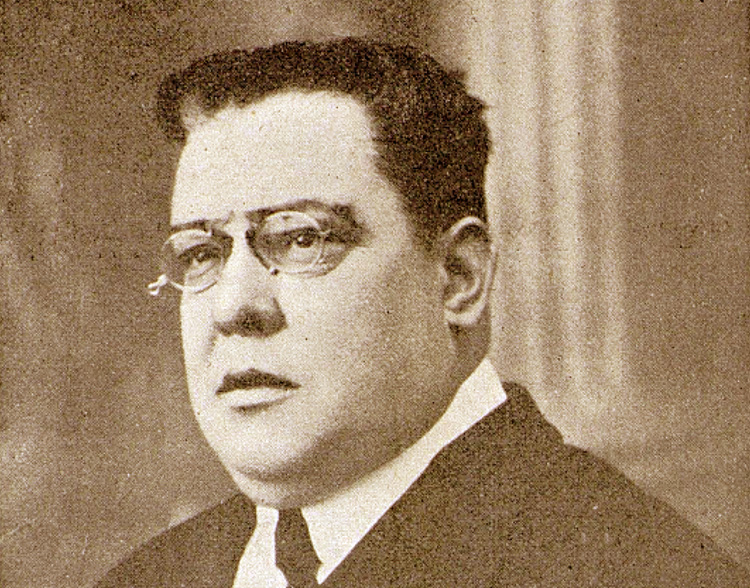
Enrique Santos
Enrique Santos

Siempre interesan los hombres y las cosas en su esplendente actualismo, pero cuando esos hombres o esas cosas llegan a tal grado de de excelsitud, nos intrigan más sus ignorados principios, sus ocultas rebeliones que fueron el pedestal fuerte y seguro que los condujo al éxito.

Esto es lo que pensé cuando me hallé de manos a boca con el gran metteur Enrico Santos.

Doce o catorce años han transcurrido desde que una mañana lo vi en pleno Paseo de Gracia (a la salida de las oficinas y talleres) vociferando con su voz de trueno, aspeando con sus brazos imponentes, deteniendo la circulación de peatones y carruajes, arengando a una masa de artistas que corría frenética y disciplinada al mágico conjuro de su silbato.

¡ Doce años ! Santos fue comisionado entonces por la renombrada casa italiana Cines, de Roma, para desarrollar en esta ciudad la hoy preponderante industria cinematográfica, y Santos vino, y triunfó. Once películas atestiguan su fecunda labor de cuatro meses; en combinación con la casa editora de películas Film d’Art Española, cuya galería estaba instalada en la calle del campo (Josepets).

Pero volvamos al asunto que nos llevó a escribir este artículo.

Santos, con sus ojillos avizores y su redonda cara bonachona, se dispone a contarme su historia a grandes rasgos.

Yo era actor — dice — y como tal trabajaba con Calvo y Vico por el módico sueldo de ocho pesetas.

Pensando en mejorar de situación, me contraté en una compañía que marchaba a Buenos Aires; pero la compañía quebró, y con el exiguo auxilio me volví a Europa.

Mas en lugar de venir a España, me fui a París. Allí traté de hacerme artista cinematográfico en las casas Pathé y Gaumont, pero como en aquel entonces la cinematografía era más local, sólo querían artistas franceses. Sin embargo, Gaumont me brindó su ayuda. Ella consistió en la impresión de ocho discos gramofónicos en español, en los que tuve tan buen éxito, que se puede decir que a los discos debo el haber entrado de segundo director de escena en la casa Gaumont.

De allí marché a Roma, contratado por la casa Cines, de donde pasé luego a la Unión Cinematográfica Italiana. Total: catorce años en la tierra de los Césares.

Vino la preponderancia de la película americana, y la casa Famous Players-Lasky Corporation me llamó a sus estudios. Un año después entré en la U.F.A., de Berlín. El desconocimiento del inglés y del alemán me creó grandes dificultades, y entonces decidí venir a España para fundar una gran Sociedad que pusiese el nombre de nuestra patria en el puesto que legítimamente le corresponde.

En tales momentos sobrevino la quiebra de la Banca Italiana de Sconto, y todos los ahorros de mi azaroso e infatigable trabajo desaparecieron.

Quedé un poco abatido por la desgracia, pero me repuse, e immediatamente comencé a hacer gestiones para la reunión de un capital que, aunque más modestamente, me permitiera realizar mis proyectos.

¡ Siempre hay hombres de arrestos ! y en poco tiempo he logrado reunir capital, estudios, laboratorios, personal, todo, en suma, cuanto necesario para empezar mi obra.

La película no ha de desmerecer de mis famosas: Los escarabajos de oro, La presa, La pesadilla, Sangre gitana y Los solitarios del bosque.

Recuerdo ahora un detalle curioso. La trilogia Jack, corazón de león, La huella de la pequeña mano y El secreto de Jack, en los fue protagonista el célebre mono, proporcionaron a la empresa editora un ingreso líquido de siete millones de dólares.

En mis películas han actuado figuras tan eminentes como la Bertini en Odette y en Tosca (1) y el gran Buffalo en La corona de sangre.(2)

Hay una variación en mis asuntos. Usted sabe que mi especialidad eran las películas detectivescas y aventureras; pues bien, ahora mis argumentos son emocionantes y sentimentales. Ya verá usted El martirio de vivir! Allí hay emoción, interés y sentimiento, como corresponde a las modernas corrientes que tan bien se atemperan a nuestra raza brava e hidalga.

. . .

Me despedí del gran Santos.

Le vi alejarse entre una multitud bulliciosa e innominada.

¡ Quién pudiera suponer que en el cerebro de aquel hombre se aspecto sencillo, bulle y rebosa el poder inicial de una industria bella y preponderante !

S. A. Micón

Barcelona y septiembre 1923.
(Boletín de información cinematográfica, septiembre 1923)

(1) Con toda probabilidad se trata de un error del autor de la entrevista. Durante su estancia en Italia Enrique Santos ha trabajado esclusivamente para la Cines y la Unión Cinematográfica Italiana, mientras la casa de producción de Odette y Tosca, películas interpretadas por Francesca Bertini, es la Caesar Film. La frase correcta debiera ser: “En mis películas han trabajado figuras tan eminentes como la Bertini de Odette y Tosca…”.

(2) Buffalo e La Corolla di sangue, protagonista Lionel Buffalo.