Martedì scorso, tre palazzine dei mitici Pickfair Studios, Santa Monica Boulevard angolo Formosa Avenue, sono state demolite senza pietà in mezzo alle lacrime e le proteste di molti cinefili… Se volete leggere di più su questa storia, ecco a voi il link: Save the Pickfair Studios
Riflettendo su questa notizia mi è ritornata in mente una fotografia pubblicata su Flickr qualche tempo fa: questa: Una magica Porta dei Leoni nascosta nella Bovisa. Quasi un miracolo perché dei vecchi teatri di posa italiani ai tempi del muto è rimasto in piedi poco o niente… Per raccontarvi dell’Armenia Film, andiamo indietro nel tempo…
Milano 1910. Poiché lo stabilimento ereditato dalla S.A.F.F.I. Comerio non è più in grado di far fronte allo sviluppo dell’azienda, la Milano Films acquista un terreno di diecimila ettari nei pressi della Bovisa, a Via Baldinucci, sul quale cominciano i lavori per un teatro di posa. L’edificio misura circa 650 mq. e può garantire la lavorazione giornaliera di 15.000-20.000 metri di pellicola. Il teatro entra in funzione nel maggio 1911. Accanto al teatro di posa il laboratorio per la stampa.
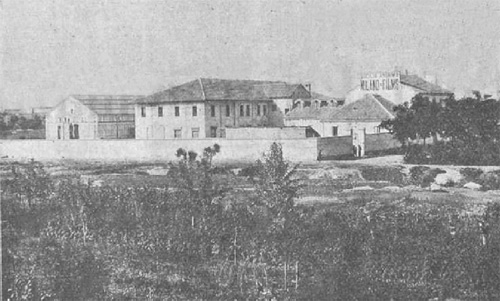
Maggio 1917. Nasce l’Armenia Films, nuova Ditta di produzione-noleggio-acquisto-vendita di films cinematografiche, del sig. Johannes H. Zilelian. La Ditta occupa una parte dei terreni appartenenti alla Milano Films, e costruisce a sua volta due nuovi teatri. Johannes H. Zilenian aveva finanziato e distribuito la Serie Armenia della Milano Films, prodotta nel 1916.
Milano 1933. « Ho voluto ripercorrere in tram la via delle Bovisa per rendermi conto delle trasformazioni sopravvenute in tanti anni, e per aver tutto il tempo di convincermi che davvero tornavo alla Milano Film, oggi Elios, ad assistere di nuovo, dopo tanto, a una ripresa cinematografica fatta a Milano, e fatta con serietà di propositi.
Il tram non è più quello, anche se porta lo stesso numero 9, quel numero così noto e caro a tanta gente d’allora, celebrità in boccio e celebrità in fiore, umili comparse, direttori artistici d’ogni calibro, operatori, macchinisti, lavoranti del film: molti scomparsi dai teatri di posa, pochi sopravvissuti, qualcuno scomparso addirittura dal teatro della vita. Questo d’ora è un tram nuovo, comodo, ben molleggiato, con sedili di velluto rosso, come tutti gli altri della città. Lungo il percorso, altri cambiamenti: strada asfaltata o lastricata, case dalle facciate ripulite, edifizi nuovi, aspetto generale fiorente e ridente. Al capolinea del tram, una piazza rotonda, illeggiadrita al centro di una fontana che, se anche non ha nulla di monumentale, è tuttavia un segno di questo rinnovamento edilizio di Milano, che per le fontane non aveva avuto mai spiccata simpatia.
Quante cose sono mutate! e, ciononostante, io sento correre ancora su una strada amica, nota anche nelle cose che ignoravo, salutato da una facciata, là da un riquadro di giardino, altrove da un fumaiolo, dall’insegna di una bottega, da una siepe, da un ciuffo d’alberi bassi, con lo stesso saluto di tanti anni fa. »
effeemme (Kinema, novembre 1933)
Milano 1934. Sull’ampio terreno adiacente a gli stabilimenti della Milano Film, e precisamente su quello dove un tempo sorgevano i due teatri di posa dell’America Films (sic. Armenia Films) e i vari fabbricati adibiti a gli uffici ed ai servizi accessori — teatri che erano stati adibiti ad alloggi provvisori per gli sfrattati — stanno sorgendo ora i nuovi e modernissimi teatri di posa sonori di una Editrice di recentissima costituzione, la Nazional Fono Film. Saranno ancora due capacissimi teatri, attrezzati, come s’è detto, per le esigenze del film sonoro.
(Kinema, gennaio 1934)
Nei vecchi teatri della Milano Films, diventata Elios nel 1933, Luchino Visconti girò il suo primo film: Il mistero del film (scomparso) di Luchino Visconti.
 sempre in penombra