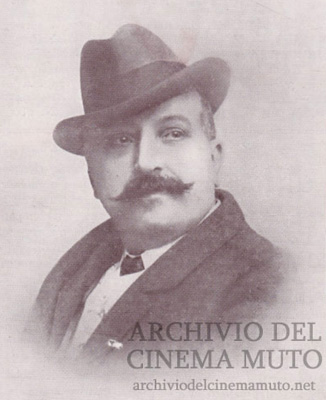
Parigino di elezione e di anima, Cãndido Aragonese de Faria, era d’origine brasiliana. Si recò a Parigi giovanissimo e fece le sue prime battaglie nei giornali illustrati.
Faria lavorava ostinatamente, quando improvvisamente si rivelava e diventava popolare Paulus (Jean-Paul Habans, alias Paulus, articolo biografico su Gallica), dal quale non si può immaginarlo disgiunto. Ed ecco Faria tutto curvo sulla pietra litografica, fissando la mobilissima espressione della popolare fisionomia dell’artista parigino.
A centinaia si contano le copertine da lui disegnate per le canzoni di Paulus, delle quali se ne sono tirate centinaia di migliaia di copie.
Faria aveva trovato la sua strada e d’un nuovo sangue faceva rivivere la vecchia industria litografica. Si vide presto sotto la sua spinta creatrice, sotto la energica sua volontà, sotto la sua produzione incessante, la litografia rivivere una novella primavera e prendere quella espansione ch’essa deve in maggior parte agli sforzi del Faria.
Chi sa rendere meglio di lui, in una maniera sì precisa, il carattere e gli atteggiamenti, l’eleganza degli atti, la verità delle fisionomie? Egli fu il primo e il solo che potè realizzare questa maniera, così maltrattata oggi, che consiste nell’ottenere il massimo di rassomiglianza con il minor numero di segni. Nessuno meglio di lui è riuscito a comprendere la folla, assimilandosene lo spirito e indovinandone i gusti. E fu perchè Faria aveva compreso il popolo, che poi il popolo lo comprese e andò da lui. Noi ne diamo dimostrazione ogni giorno di questa verità con una prova costante, che ci viene quotidianamente dai cinematografi delle cinque parti del mondo. Al Cinema, Faria fu un precursore e un iniziatore. Mai prima di lui, alcun artista aveva realizzato l’opera universale suscettibile di essere compresa immediatamente senza sforzo e senza istruzione artistica, da degli esseri d’origine, di temperamento e di aspirazioni tutt’ affatto diverse. Il primo affisso da cinematografo è un punto della storia cinematografica che bisogna precisare – fu fatto nel 1901 da Faria, per le Vittime dell’Alcool. Fu appiccicato in ogni canto della terra, imponendo al mondo la più grande manifattura cinematografica del mondo, e insieme il buon nome di Faria.
Malgrado il sogghigno di qualcuno e il sorriso di molti, denigratori di professione di celebrità raggiunte a forza di lottare, noi diremo che Faria è il creatore d’un genere che nessuno ha potuto assimilarsi.
Quando si passa per le vie, con l’occhio distratto, e il pensiero altrove, improvvisamente una ridda di colori ferma il nostro sguardo e fissa il nostro pensiero. Forte di colore, franco di tono, preciso nel segno, ci appare un affisso di Faria.
Commercialmente parlando – ed è questo il solo punto di vista nella materia – un affisso di Faria realizza, nella sua concezione e nella sua esecuzione, il massimo di rendimento di pubblicità, poiché esso è quello che spicca su tutti gli altri.
Dopo aver lavorato indefessamente durante quarant’anni ed aver contribuito alla resurrezione d’un arte e d’un’ industria, dopo aver condotto il gusto del pubblico verso la litografia e fatto vivere col lavoro della sua matita un numero infinito di litografi, Faria se ne andò, un mattino grigio dell’inverno scorso, per il paese dal quale non si ritorna più.
Quella mattina, una domenica, l’artista lavorava nel suo studio di via De Steinkerque (Affiches Faria, 6 Rue Steinkerque, Paris). Era solo, e nell’aria vibrava uno scampanio festoso. Egli lavorava. Improvvisamente, le sue dita abbandonarono il pennello divenutogli ad un tratto troppo pesante, la mano cascò inerte lungo il corpo, la fronte bianca si piegò sulla tela…
Faria era morto al suo cavalletto, come un soldato sul campo di battaglia.
(dalla Rivista Pathé, 15 dicembre 1912)
Candido Aragonese de Faria in Gallica Bibliothèque Numerique