Scena comica di J. Berr de Turique, interpretata da Prince e dalla signorina Diéterle.
La famigliuola Tartufini sarebbe una delle più felici, senza il carattere nervoso della signora e lo spirito di contradizione di Timoteo. Due amici di casa, ritengono opportuno intervenire confessando a ciascuno dei due sposi che il loro dissidio dipende da una malattia di cuore di cui è affetto l’altro congiunto. In seguito a tale confidenza, i due sposini si compatiscono per qualche istante e poi da capo come per lo innanzi. E avendo scoperto lo stratagemma dei loro amici, l’inferno coniugale scoppia terribile…
Ma improvvisamente i due coniugi provano delle palpitazioni… La malattia del cuore? … Telefonano subito al loro medico, ma per fortuna è stato un falso allarme: Timoteo dovrà prendere qualche doccia e la signora dovrà… preparare un corredino per il futuro erede.
Martedì scorso, tre palazzine dei mitici Pickfair Studios, Santa Monica Boulevard angolo Formosa Avenue, sono state demolite senza pietà in mezzo alle lacrime e le proteste di molti cinefili… Se volete leggere di più su questa storia, ecco a voi il link: Save the Pickfair Studios
Riflettendo su questa notizia mi è ritornata in mente una fotografia pubblicata su Flickr qualche tempo fa: questa: Una magica Porta dei Leoni nascosta nella Bovisa. Quasi un miracolo perché dei vecchi teatri di posa italiani ai tempi del muto è rimasto in piedi poco o niente… Per raccontarvi dell’Armenia Film, andiamo indietro nel tempo…
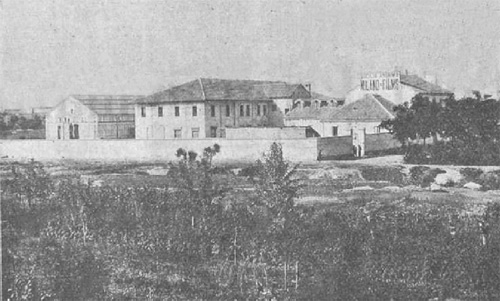
Milano 1910. Poiché lo stabilimento ereditato dalla S.A.F.F.I. Comerio non è più in grado di far fronte allo sviluppo dell’azienda, la Milano Films acquista un terreno di diecimila ettari nei pressi della Bovisa, a Via Baldinucci, sul quale cominciano i lavori per un teatro di posa. L’edificio misura circa 650 mq. e può garantire la lavorazione giornaliera di 15.000-20.000 metri di pellicola. Il teatro entra in funzione nel maggio 1911. Accanto al teatro di posa il laboratorio per la stampa.
Teatro di posa e laboratorio stampa della Milano Films 1911
Maggio 1917. Nasce l’Armenia Films, nuova Ditta di produzione-noleggio-acquisto-vendita di films cinematografiche, del sig. Johannes H. Zilelian. La Ditta occupa una parte dei terreni appartenenti alla Milano Films, e costruisce a sua volta due nuovi teatri. Johannes H. Zilenian aveva finanziato e distribuito la Serie Armenia della Milano Films, prodotta nel 1916.
Milano 1933. « Ho voluto ripercorrere in tram la via delle Bovisa per rendermi conto delle trasformazioni sopravvenute in tanti anni, e per aver tutto il tempo di convincermi che davvero tornavo alla Milano Film, oggi Elios, ad assistere di nuovo, dopo tanto, a una ripresa cinematografica fatta a Milano, e fatta con serietà di propositi.
Il tram non è più quello, anche se porta lo stesso numero 9, quel numero così noto e caro a tanta gente d’allora, celebrità in boccio e celebrità in fiore, umili comparse, direttori artistici d’ogni calibro, operatori, macchinisti, lavoranti del film: molti scomparsi dai teatri di posa, pochi sopravvissuti, qualcuno scomparso addirittura dal teatro della vita. Questo d’ora è un tram nuovo, comodo, ben molleggiato, con sedili di velluto rosso, come tutti gli altri della città. Lungo il percorso, altri cambiamenti: strada asfaltata o lastricata, case dalle facciate ripulite, edifizi nuovi, aspetto generale fiorente e ridente. Al capolinea del tram, una piazza rotonda, illeggiadrita al centro di una fontana che, se anche non ha nulla di monumentale, è tuttavia un segno di questo rinnovamento edilizio di Milano, che per le fontane non aveva avuto mai spiccata simpatia.
Quante cose sono mutate! e, ciononostante, io sento correre ancora su una strada amica, nota anche nelle cose che ignoravo, salutato da una facciata, là da un riquadro di giardino, altrove da un fumaiolo, dall’insegna di una bottega, da una siepe, da un ciuffo d’alberi bassi, con lo stesso saluto di tanti anni fa. » effeemme(Kinema, novembre 1933)
Milano 1934. Sull’ampio terreno adiacente a gli stabilimenti della Milano Film, e precisamente su quello dove un tempo sorgevano i due teatri di posa dell’America Films (sic. Armenia Films) e i vari fabbricati adibiti a gli uffici ed ai servizi accessori — teatri che erano stati adibiti ad alloggi provvisori per gli sfrattati — stanno sorgendo ora i nuovi e modernissimi teatri di posa sonori di una Editrice di recentissima costituzione, la Nazional Fono Film. Saranno ancora due capacissimi teatri, attrezzati, come s’è detto, per le esigenze del film sonoro. (Kinema, gennaio 1934)
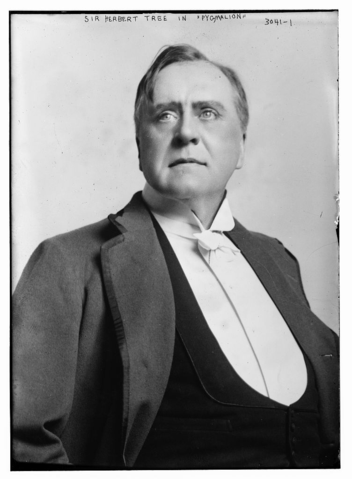
Sir Herbert Beerbohm Tree, Bain News Service Wikimedia Commons
English actors of rank have not yet figured upon the cinematograph films so well and so frequently as have those of other countries. This is being gradually changed, however, and there is no reason why such distinguished members of the British stage as Arthur Bouchier, Sir George Alexander, Martin Harvey, Forbes Robertson, Fred Terry, Robt. Loraine, Violet Vanburgh, Ellen Terry, Lena Ashwell and Julia Neilson should not become as popular with cinematograph audiences as they are with those who visit the ordinary theaters.
I hear in this connection that Sir Herbert Tree’s production of “Macbeth” is about to be filmed for the cinematograph and that the fee to be paid is $20,000. Sir Herbert’s “Henry VIII” has been on the cinematograph for some time. The fee seems enormous, but it must be remembered that all the scenery and fittings have to be transported to a daylight theater specially’built for this business.
(The Moving Picture World, 6 April 1912)